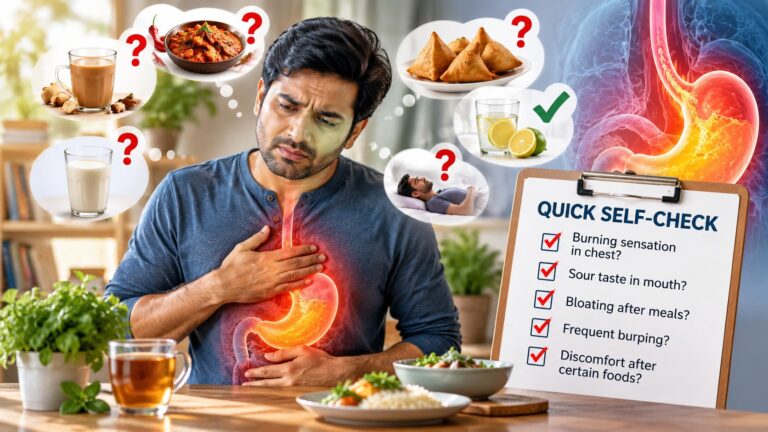

Diarrhoea is a common digestive symptom that can develop suddenly or persist over a longer period. In many cases, it is temporary and resolves as the underlying cause settles. But diarrhoea can also lead to dehydration, electrolyte disturbances and nutritional problems, and persistent or severe symptoms may require medical evaluation.
The important question is therefore not simply, “How can I stop diarrhoea?”
It is:
“What may be causing it, how can I support the body safely, and when does it need medical attention?”
In my approach to digestive health, I consider diarrhoea in the context of the whole person: recent food and travel history, hydration, medications, infections, stress, existing medical conditions and the duration and severity of symptoms.
Lifestyle and dietary measures can support recovery in appropriate situations, but they should never delay medical assessment when warning signs are present.
What Is Diarrhoea?
Diarrhoea generally refers to loose or watery stools occurring more frequently than is normal for an individual.
It may be:
- Acute, developing suddenly and lasting a relatively short time
- Persistent, continuing for several days or longer
- Chronic or recurrent, occurring repeatedly over an extended period
The appearance and frequency of stools can vary considerably from person to person.
A temporary change in bowel consistency does not necessarily indicate serious illness. What matters is the overall pattern and whether other symptoms are present.
Common Symptoms That May Accompany Diarrhoea
Depending on the cause, diarrhoea may occur with:
- Abdominal cramps
- Urgency to pass stool
- Nausea
- Vomiting
- Bloating
- Fever
- Loss of appetite
- Weakness or fatigue
- Increased thirst
- Signs of dehydration
Blood or mucus in the stool can also occur with certain conditions and should not simply be dismissed as an ordinary digestive upset.
What Causes Diarrhoea?
Diarrhoea has many possible causes.
1. Gastrointestinal Infections
Viruses, bacteria and parasites can cause acute diarrhoea.
Infections may be associated with:
- Contaminated food
- Contaminated water
- Poor hand hygiene
- Travel
- Contact with an infected person
Infectious diarrhoea may occur with vomiting, abdominal cramps or fever.
Not every episode requires antibiotics. The appropriate treatment depends on the cause, severity and individual circumstances.
2. Food-Related Causes
Some people develop diarrhoea after eating particular foods.
Possible factors include:
- Food intolerance
- Excessive consumption of certain foods
- Very rich or fatty meals
- Artificial sweeteners in susceptible individuals
- Sudden major dietary changes
A food diary can sometimes help identify recurring patterns.
However, repeatedly eliminating large numbers of foods without professional guidance can unnecessarily restrict the diet.
3. Medications
Certain medicines can cause diarrhoea as a side effect.
Examples include some:
- Antibiotics
- Magnesium-containing products
- Laxatives
- Medicines affecting gastrointestinal function
- Other prescription or over-the-counter medicines
Antibiotics deserve particular attention because diarrhoea occurring during or after antibiotic treatment can sometimes be associated with changes in the intestinal microbiome or, in some cases, a more significant infection.
If significant diarrhoea develops after medication use, discuss it with a healthcare professional rather than automatically stopping prescribed treatment.
4. Food Intolerances and Malabsorption
Some people experience recurrent diarrhoea because their digestive system does not properly tolerate or absorb particular nutrients.
Examples can include problems related to:
- Lactose
- Certain carbohydrates
- Gluten in people with coeliac disease
- Other dietary components
Persistent diarrhoea should therefore not automatically be treated as a simple food sensitivity.
Proper evaluation may be necessary to identify the underlying cause.
5. Stress and the Gut–Brain Connection
The digestive system and nervous system communicate continuously.
Stress can influence bowel activity, and some people notice looser stools or increased urgency during emotionally demanding periods.
This is one expression of the gut–brain connection.
However, diarrhoea should not automatically be labelled as “stress-related.”
If symptoms are severe, persistent, recurrent, associated with weight loss or accompanied by blood, fever or significant pain, medical causes need to be considered.
6. Chronic Digestive Conditions
Persistent or recurrent diarrhoea can occur in conditions such as:
- Irritable bowel syndrome
- Inflammatory bowel disease
- Coeliac disease
- Certain pancreatic or digestive disorders
- Problems affecting absorption
- Other gastrointestinal conditions
The treatment depends on the underlying diagnosis.
This is why recurrent diarrhoea is different from an isolated episode of loose stool.
Why Hydration Is the First Priority
The most important immediate concern during significant diarrhoea is often fluid and electrolyte loss.
The body loses water along with important electrolytes when frequent watery stools occur.
Signs of dehydration can include:
- Excessive thirst
- Dry mouth
- Reduced urination
- Dark urine
- Dizziness
- Weakness
- Fatigue
- Confusion in severe cases
Young children, older adults and people with significant medical conditions may become dehydrated more quickly.
Oral Rehydration Solutions
When diarrhoea causes meaningful fluid loss, an appropriate oral rehydration solution (ORS) can help replace water and electrolytes.
ORS is different from simply drinking plain water.
Its balanced combination of glucose and electrolytes is designed to improve absorption of fluid from the intestine.
For significant diarrhoea, particularly in children, older adults or people at higher risk of dehydration, appropriate ORS use can be an important part of supportive care.
If dehydration is severe or oral fluids cannot be kept down, medical treatment may be necessary.
What Should You Eat During Diarrhoea?
A common mistake is to assume that the digestive system must be completely “rested” by prolonged fasting.
In many situations, once hydration is being maintained and the person is able to eat, a gradual return to appropriate food is preferable to unnecessary prolonged fasting.
Food choices should be guided by tolerance.
Some people find simpler foods easier to tolerate temporarily, such as:
- Rice
- Khichdi
- Toast or other simple grain foods
- Bananas
- Potatoes
- Soups
- Cooked vegetables
- Other familiar, easily tolerated foods
There is no single universal “diarrhoea diet.”
Individual tolerance matters.
Foods and Drinks That May Worsen Symptoms
During an acute episode, some people find that certain foods make symptoms worse.
These may include:
- Very fatty meals
- Very spicy foods
- Large amounts of caffeine
- Alcohol
- Large amounts of sugary drinks
- Foods that are known individual triggers
Dairy products may temporarily worsen symptoms in some people after certain intestinal infections because digestion of lactose can be affected.
This does not mean everyone needs to permanently avoid dairy.
What About Coconut Water, Juices and Homemade Drinks?
Coconut water and other fluids may contribute to overall fluid intake, but they are not always a complete substitute for a properly formulated oral rehydration solution when substantial fluid and electrolyte losses are occurring.
Very sugary drinks or undiluted fruit juices can sometimes worsen diarrhoea because of their high sugar concentration.
The priority is appropriate hydration rather than relying on one particular beverage.
Should You Take Probiotics?
Probiotics have been studied for several gastrointestinal conditions, including some forms of acute diarrhoea and antibiotic-associated diarrhoea.
However, effects vary according to the particular microorganism, preparation, cause of diarrhoea and individual patient.
They should therefore not be presented as a universal treatment.
People who are seriously ill or significantly immunocompromised should seek professional advice before using probiotic products.
What About Antibiotics?
Antibiotics are not automatically required for diarrhoea.
Many episodes of acute diarrhoea are caused by viruses or other conditions where antibiotics would not be useful.
Unnecessary antibiotic use can also cause side effects and contribute to antimicrobial resistance.
If a bacterial infection is suspected or confirmed, the appropriate treatment depends on the organism, severity and individual circumstances.
This is one reason self-prescribing antibiotics for diarrhoea is not advisable.
What About Ayurvedic or Herbal Remedies?
Traditional systems of medicine, including Ayurveda, have their own approaches to digestive disturbances and dietary management.
These approaches can be discussed as traditional frameworks, but they should not be assumed to be universally effective or risk-free.
Some herbal preparations may interact with medicines, contain variable concentrations of active compounds, or be inappropriate in particular medical conditions.
During significant or persistent diarrhoea, especially when dehydration or infection is possible, appropriate medical evaluation should take priority over experimenting with multiple remedies.
When Should You Seek Medical Care?
Most mild, short-lived episodes improve without complications.
However, medical assessment is important when diarrhoea is severe, persistent, recurrent, or accompanied by concerning symptoms.
Seek prompt medical attention if there is:
- Blood in the stool
- Black or tarry stool
- Severe or persistent abdominal pain
- Persistent vomiting
- Significant dehydration
- Confusion or marked weakness
- High or persistent fever
- Severe abdominal swelling
- Inability to drink or keep fluids down
- Very little or no urine
- Significant unexplained weight loss
- Persistent or recurrent diarrhoea
- Diarrhoea in a person with significant underlying illness
- Symptoms in a very young child or frail older adult that are causing concern
The threshold for seeking medical advice should be lower when dehydration risk is high. If any of this applies to you, arranging a consultation is a reasonable next step.
Diarrhoea After Travel
Travel-related diarrhoea is common enough to deserve particular attention.
Changes in food, water, local microorganisms, climate and routine can all contribute.
When travelling:
- Drink safe water
- Wash hands regularly
- Be cautious with food hygiene
- Avoid foods of uncertain safety
- Use appropriate rehydration products when necessary
If severe diarrhoea, blood in the stool, high fever or significant dehydration develops during or after travel, seek medical advice.
Diarrhoea in Children
Children can become dehydrated relatively quickly.
Parents and caregivers should pay attention to:
- Reduced urination
- Dry mouth
- Lack of tears
- Unusual sleepiness
- Weakness
- Poor feeding or drinking
- Repeated vomiting
- Blood in the stool
Children with significant diarrhoea, especially infants and young children, may require medical assessment sooner than healthy adults.
Do not rely on adult self-care advice for a young child without considering their age and medical circumstances.
A Practical Recovery Approach
For a mild episode in an otherwise healthy adult, a simple approach may include:
Step 1: Replace fluids — Drink regularly and consider an appropriate ORS when fluid and electrolyte losses are significant.
Step 2: Monitor urine and hydration — Reduced urination, very dark urine, dizziness or increasing weakness can indicate dehydration.
Step 3: Eat according to tolerance — Once able to eat, choose familiar foods that are easy to tolerate rather than unnecessarily fasting for prolonged periods.
Step 4: Avoid obvious aggravators — Temporarily reduce alcohol, excessive caffeine, very fatty foods and other foods that clearly worsen symptoms.
Step 5: Rest — Your body may need time and energy to recover, particularly when infection is involved.
Step 6: Watch the pattern — If symptoms are not improving, become more severe, or develop warning signs, seek medical evaluation.
What Not to Do
When diarrhoea occurs, avoid automatically:
- Taking antibiotics without medical advice
- Taking multiple anti-diarrhoeal medicines together
- Using repeated herbal or “detox” remedies
- Drinking excessive amounts of sugary beverages
- Ignoring blood in the stool
- Continuing intense exercise despite dehydration
- Assuming persistent diarrhoea is simply caused by stress
- Continuing a restrictive diet for longer than necessary
Stopping diarrhoea is not always the same as treating its cause.
Understanding Diarrhoea Through a Whole-Person Lens
Digestive health does not exist separately from the rest of the body.
Food, hydration, sleep, movement, stress, medications, infections and existing medical conditions can all influence digestive function.
This is why I prefer to look beyond the immediate symptom.
At the same time, a whole-person approach does not mean avoiding conventional medical evaluation.
If diarrhoea is caused by an infection, inflammatory disease, medication effect, malabsorption problem or another medical condition, identifying that cause is essential.
Lifestyle measures are most useful when they complement, not replace, appropriate diagnosis and treatment.
Diarrhoea and the Gut–Brain Connection
The gut and brain communicate through multiple pathways involving the nervous system, immune system and other biological signals.
Stress and emotional states can influence bowel motility and perception of gastrointestinal symptoms.
This relationship is important, particularly when diarrhoea is recurrent and occurs in association with stress.
But the relationship should be interpreted carefully.
A person may have both stress and an underlying gastrointestinal disorder.
Therefore:
“Stress may contribute” is very different from “stress is the cause.”
That distinction is important for safe healthcare.
Frequently Asked Questions
Is diarrhoea always caused by an infection?
No. Infections are common causes of acute diarrhoea, but medications, food intolerance, stress-related bowel changes, inflammatory conditions and other disorders can also cause it.
Should I stop eating when I have diarrhoea?
Usually, prolonged fasting is not necessary. Once you can tolerate food and hydration is being maintained, gradual return to appropriate foods is generally reasonable.
Is ORS better than plain water?
For significant fluid losses, ORS is specifically formulated to replace both water and electrolytes. Plain water can contribute to hydration but does not replace electrolytes in the same way.
Should I take antibiotics for diarrhoea?
Not routinely. Antibiotics are appropriate only in selected situations, depending on the suspected or confirmed cause and the person’s clinical condition.
Can stress cause diarrhoea?
Stress can influence bowel activity and may contribute to diarrhoea or urgency in some people. Persistent or concerning symptoms should not automatically be attributed to stress.
Can I drink tea or coffee?
Caffeine can increase bowel activity in some people and may worsen symptoms during an acute episode. If you notice that it aggravates your symptoms, temporarily reduce or avoid it.
Is curd or yoghurt good during diarrhoea?
Some people tolerate yoghurt or fermented dairy foods well, while others temporarily become more sensitive to lactose after an intestinal infection. Individual tolerance matters.
When should I see a doctor?
Seek medical attention for blood in the stool, severe pain, significant dehydration, persistent vomiting, high fever, severe weakness, inability to drink, persistent or recurrent diarrhoea, or other concerning changes.
Final Thoughts
Diarrhoea is often temporary, but it deserves thoughtful management.
The immediate priorities are usually hydration, appropriate nutrition, rest and observation.
At the same time, the body may be signalling something that deserves further attention.
Rather than simply trying to suppress every episode, ask:
How severe is it? How long has it lasted? What might have triggered it? Is the person becoming dehydrated? And are there warning signs?
That approach keeps digestive care practical while respecting the limits of self-care.
Good digestive health is not about never experiencing a loose stool. It is about understanding your body’s patterns, responding appropriately when symptoms occur, and knowing when professional medical care is needed.
Related Reading
Visit the Digestive Health topic page for the full range of digestive-health content on this site.
The following related articles are part of the approved content corpus; several are not yet migrated to WordPress and are listed here as plain text rather than linked, per the project’s no-fabricated-link rule.
- Digestive Health: A Practical Guide to a Healthy Digestive System
- Daily Gut Routine: Simple Habits for Better Digestive Health
- Understanding Bloating: Common Causes and Practical Ways to Manage It
- Understanding the Gut–Brain Connection: How Stress, Emotions and Digestion Interact
- When Digestive Symptoms Need Medical Evaluation: Warning Signs You Should Not Ignore
- 7-Day Digestive Fitness Starter Plan: A Simple Week to Build Better Gut Habits
- Recommended Yoga Practices for Digestive Health: A Gentle, Practical Guide
Medical Disclaimer
This article is for general educational purposes and does not replace individual medical diagnosis, treatment or professional advice.
Diarrhoea can have many causes, and the appropriate treatment depends on the individual situation. Seek medical care promptly when symptoms are severe, persistent, associated with dehydration or accompanied by blood, significant pain, high fever, repeated vomiting or other warning signs.