
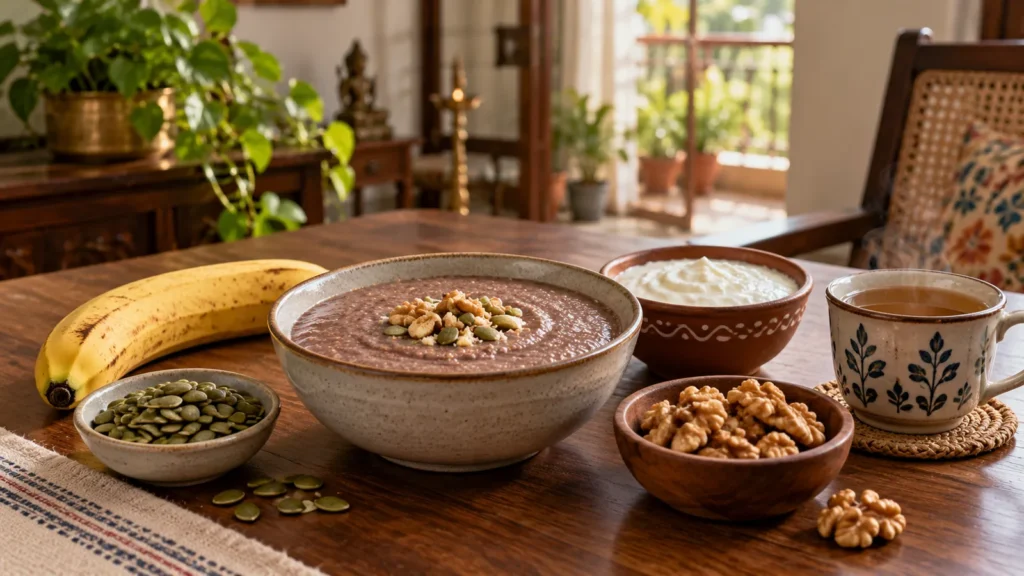
Medical Nutrition Therapy (MNT) and Micro-Nutrition Therapy are highly effective, scientifically backed approaches to managing Premenstrual Syndrome (PMS) and dysmenorrhea (painful periods).
Before and during your menses, your body releases hormone-like compounds called prostaglandins, which cause inflammatory responses and uterine muscle contractions. By selectively optimizing your macro and micro-nutrients, you can suppress this inflammatory cascade, relax smooth uterine muscles, and stabilize the neurotransmitters responsible for emotional PMS symptoms.
1. Micro-Nutrition Therapy (Targeted Vitamins & Minerals)
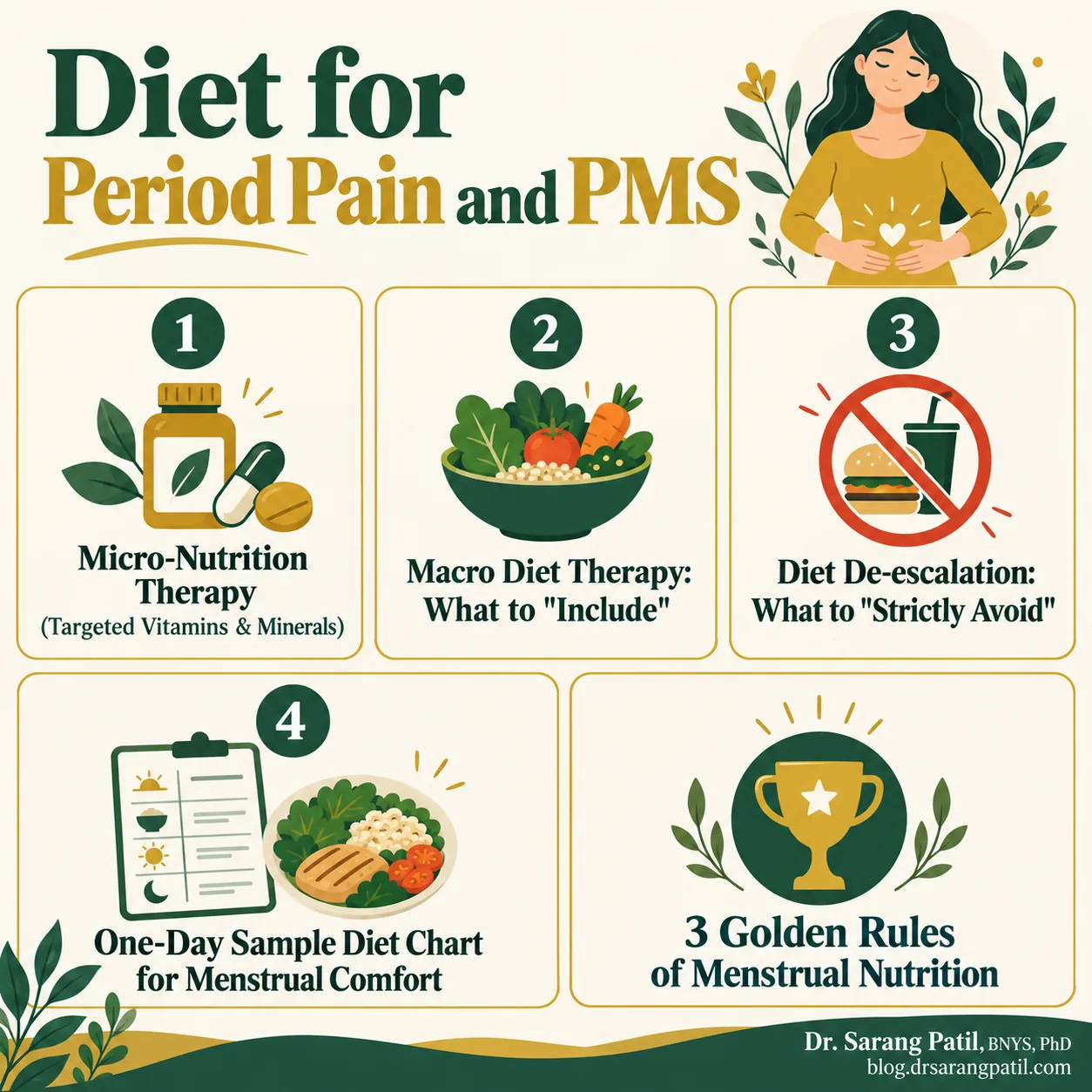
When period pain increases, incorporating these specific micronutrients into your diet serves as a natural therapeutic intervention:
- Magnesium — The Ultimate Muscle Relaxant: Magnesium directly inhibits prostaglandin production and relaxes the smooth muscles of the uterus, significantly decreasing the intensity of cramps. It also aids in calming the nervous system to ease pre-period anxiety and insomnia.
- Food Sources: Pumpkin seeds, flaxseeds, dark leafy greens (spinach), soaked almonds, and pure dark chocolate (70%+ cocoa, in moderation).
- Vitamin B6 — For Mood Stability and Bloating: Vitamin B6 is essential for synthesizing serotonin and dopamine. It dramatically reduces PMS emotional symptoms like mood swings, irritability, and depression, while also acting as a mild natural diuretic to prevent water retention.
- Food Sources: Bananas, chickpeas (chana), whole grains, and sweet potatoes.
- Calcium and Vitamin D — The Structural Regulators: Clinical experience and nutritional studies show that women with adequate calcium and Vitamin D levels experience significantly lower rates of PMS. Calcium regulates neuromuscular excitability and reduces physical PMS symptoms like breast tenderness and muscle aches.
- Food Sources: Low-fat curd (dahi), buttermilk (chaas), ragi (finger millet), and ragi-based porridges.
- Omega-3 Fatty Acids — Natural Anti-Inflammatories: Omega-3s actively compete with inflammatory fats in the body, leading to a direct reduction in the severity of painful uterine spasms.
- Food Sources: Walnuts, chia seeds, and ground flaxseeds.
2. Macro Diet Therapy: What to “Include”
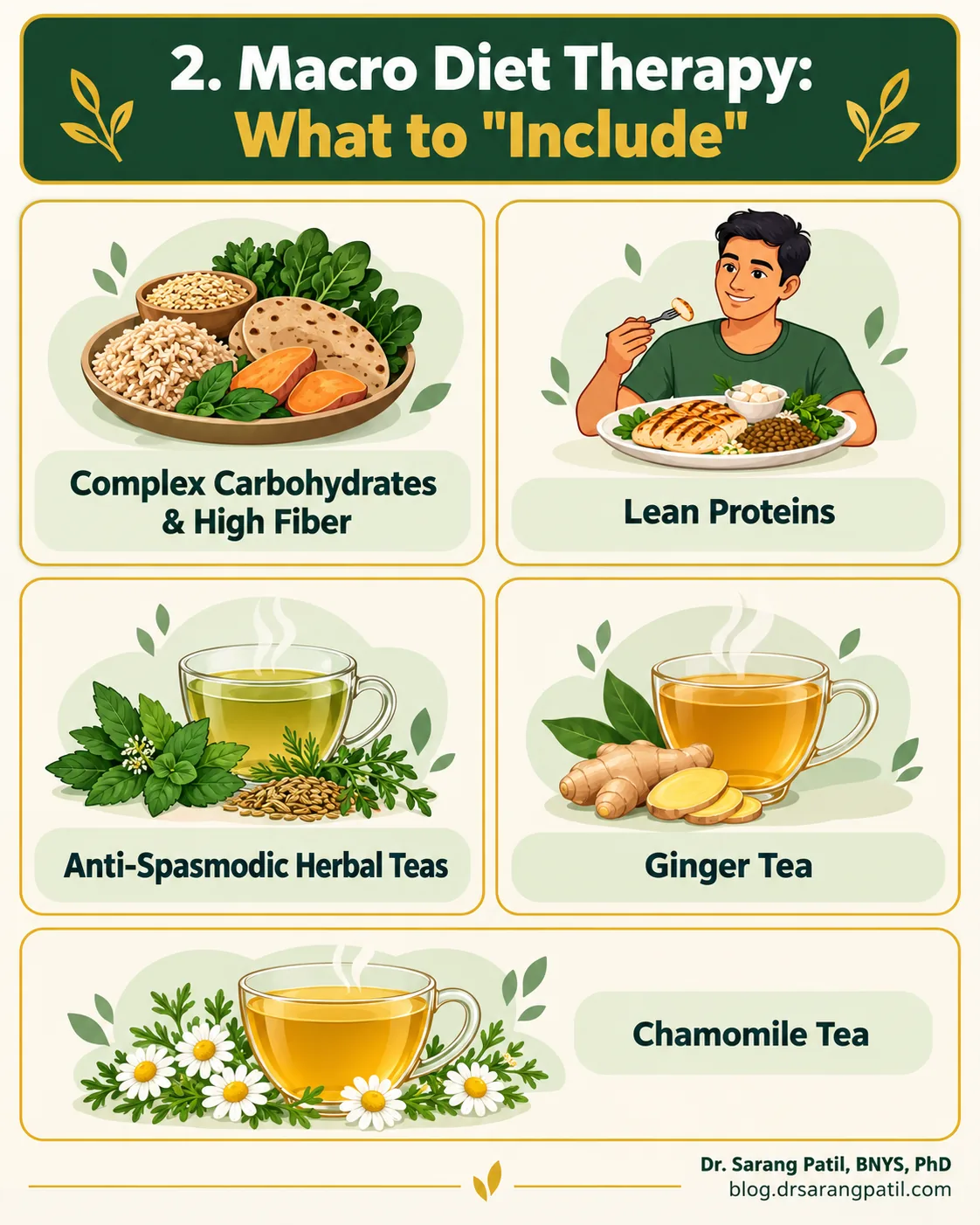
- Complex Carbohydrates & High Fiber: High-fiber foods bind to excess circulating estrogen in your digestive tract and help flush it out, preventing the hormonal dominance that worsens PMS. Complex carbs also provide a steady release of glucose, eliminating sugar crashes and cravings.
- Examples: Oats, broken wheat (daliya), brown rice, quinoa, and local millets (jowar, bajra).
- Lean Proteins: Protein helps balance your blood sugar levels, keeping your energy stable throughout the day when fatigue hits.
- Examples: Moong dal, lentils, sprouted whole grains, and tofu.
- Anti-Spasmodic Herbal Teas:
- Ginger Tea: Fresh Ginger Tea: Dosage & Frequency: Simmer 1/2 teaspoon of freshly grated ginger in 1 cup of water for 4–5 minutes. Drink 1 cup warm, 2 times daily starting two days before your period. It works as a gentle, natural anti-inflammatory that helps ease cramps before they build up.
- Chamomile Tea: Chamomile Evening Tea: Dosage & Timing: Steep 1 cup of chamomile tea in hot water for 5 minutes. Sip slowly 30 minutes before bed. Its soothing botanical compounds help relax smooth muscle tissues and usher in deep, tranquil sleep.
3. Diet De-escalation: What to “Strictly Avoid”
Sodium (Excess Salt): High salt intake forces your body to retain fluids, significantly worsening lower abdominal bloating, pelvic heaviness, and breast tenderness. Avoid pickles, papads, chips, and canned items during the luteal phase (1 week before your period).
Refined Sugar and Processed Foods: White sugar, pastries, and milk chocolates cause sharp spikes and crashes in blood insulin levels, which triggers systemic inflammation and aggravates mood volatility.
Caffeine and Alcohol: Caffeine constricts blood vessels (vasoconstriction), which can restrict pelvic blood flow and worsen cramping. It also amplifies PMS-related anxiety, breast tenderness, and sleep issues.
4. One-Day Sample Diet Chart for Menstrual Comfort
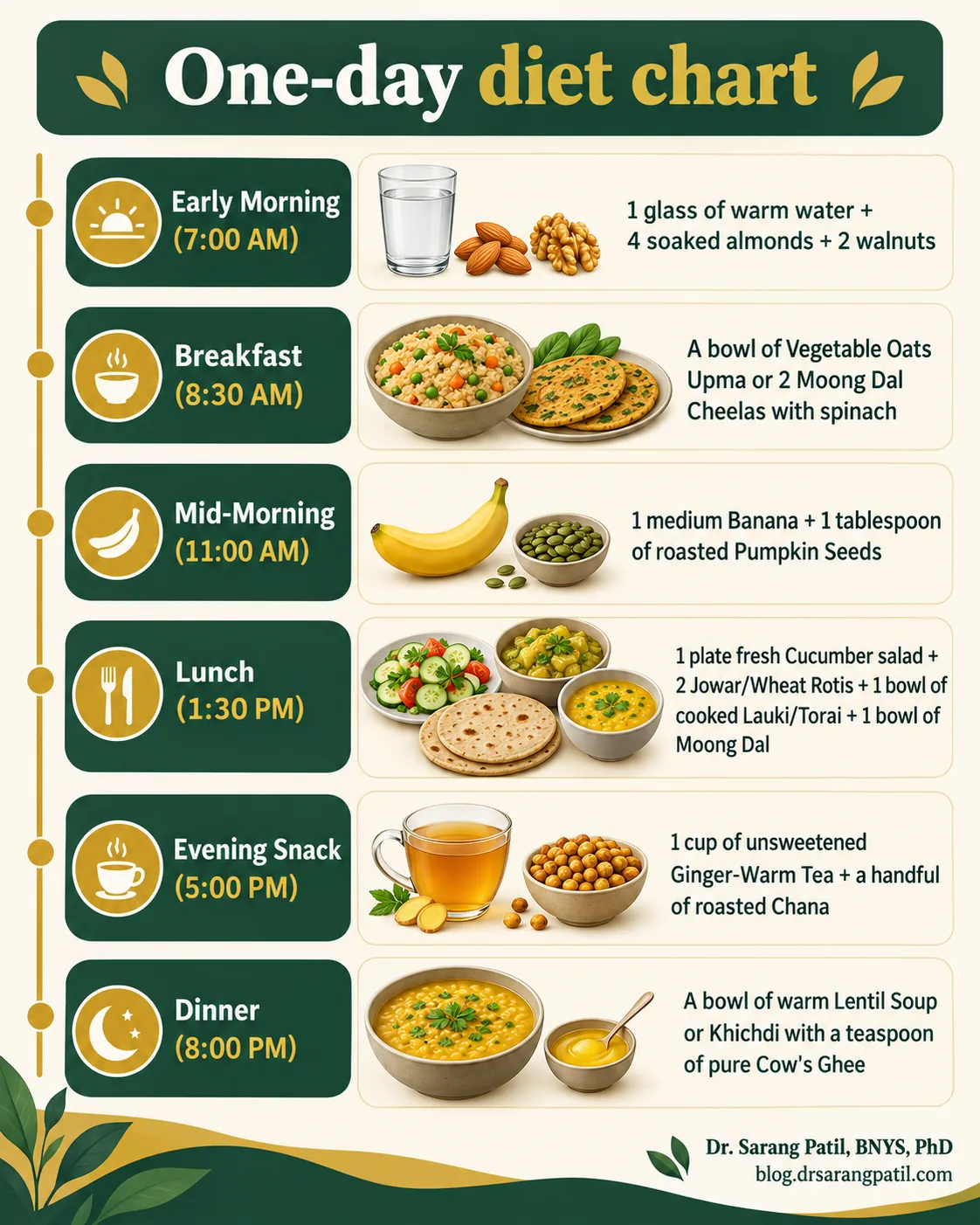
| Time | Therapeutic Meal | Medical/Nutritional Purpose |
| Early Morning (7:00 AM) | 1 glass of warm water + 4 soaked almonds + 2 walnuts | Provides healthy fats and Vitamin E to soothe cellular inflammation. |
| Breakfast (8:30 AM) | A bowl of Vegetable Oats Upma or 2 Moong Dal Cheelas with spinach | High fiber to manage estrogen levels and supply steady energy. |
| Mid-Morning (11:00 AM) | 1 medium Banana + 1 tablespoon of roasted Pumpkin Seeds | Direct therapeutic dose of Vitamin B6 and Magnesium for mood and cramps. |
| Lunch (1:30 PM) | 1 plate fresh Cucumber salad + 2 Jowar/Wheat Rotis + 1 bowl of cooked Lauki/Torai + 1 bowl of Moong Dal | Food Sequencing: Fiber first, then protein, then carbs to keep blood sugar flat. |
| Evening Snack (5:00 PM) | 1 cup of unsweetened Ginger-Warm Tea + a handful of roasted Chana | Natural anti-inflammatory properties to head off evening cramping. |
| Dinner (8:00 PM) | A bowl of warm Lentil Soup or Khichdi with a teaspoon of pure Cow’s Ghee | Light and easy to digest; Ghee provides healthy lubrication to calm Vata/nervous spasms. |
3 Golden Rules of Menstrual Nutrition
- Hydrate with Warm Fluids: Dehydration causes your body to hold onto water, worsening bloating. Drink 8–10 glasses of warm or room-temperature water. Cold fluids can trigger sudden muscular tightening in the gut and pelvis.
- Track and Predict Cravings: If you crave sweets intensely before your period, your body is likely signaling a drop in magnesium or blood sugar. Substitute processed sugar with natural options like a date or a sweet banana.
- Eat at Regular Intervals: Skipping meals or fasting during the week before your period causes hormonal stress, which can make your menstrual cramps noticeably sharper.
Frequently asked questions
Which nutrients help with period cramps?
Magnesium, vitamin B6, calcium with vitamin D, and omega-3 fatty acids.
What should I eat for magnesium?
Pumpkin seeds, flaxseeds, spinach, soaked almonds and a little dark chocolate (70% cocoa or more).
Why do I crave sweets before my period?
Strong cravings may signal a dip in magnesium or blood sugar. A date or a sweet banana is a better choice than processed sugar.
Also read: PCOS: a metabolic condition, not just a hormonal one
Next in this series: Period Pain and PMS: Causes, Treatment and Quick Home Relief (Part 1)
Want a Personalized Plan Based on Your Reports?
These simple home steps are an effective foundation for healing. For a comprehensive integrative routine tailored to your clinical reports and lifestyle, start with a direct conversation with Dr. Patil. Continue your current medications; as your health markers improve, next steps are guided safely together.