
Every January, and every time a celebrity endorses a juice cleanse, my inbox fills with questions about detox. Which detox kit should I buy? Is a 7-day juice fast safe? Should I do a liver cleanse?
Here is what I tell every patient who asks: your body already has a detox system. It runs 24 hours a day. It is called your liver, kidneys, lungs, skin, and gut. No juice, supplement, or expensive kit can do what these organs do automatically — and most “detox” products do nothing at all for them.
That said, there are things that genuinely overload your body’s detox capacity. And there are specific, evidence-backed ways to support it. This is what actually matters.
What your liver actually does
Your liver performs over 500 functions. Among the most important: it filters everything absorbed from your gut before it reaches the rest of your body, converting fat-soluble toxins into water-soluble compounds that your kidneys can then excrete in urine. It processes alcohol, medications, pesticide residues, metabolic waste products, and excess hormones.
This process runs in two phases. Phase 1 breaks toxins down using enzymes (cytochrome P450 family). Phase 2 attaches molecules to those breakdown products to make them excretable. Both phases need specific nutrients to function — and this is where most people’s “detox” actually falls short, not because they haven’t done a juice cleanse, but because their daily diet doesn’t supply what the liver needs to do Phase 2 properly.
What genuinely burdens the liver
Before talking about support, it helps to know what works against the liver. In my patients, the most common burdens are:
Excess fructose. Not fruit — but high-fructose corn syrup in packaged foods, sugary drinks, and commercial fruit juices. Fructose is metabolised almost exclusively in the liver, and in large amounts it directly drives fat accumulation there. This is the primary cause of non-alcoholic fatty liver disease, now the most common liver condition in India.
Chronic alcohol. Even moderate drinking (more than 1–2 units daily) impairs both phases of liver detoxification and depletes the glutathione your liver needs for Phase 2.
Excess medication. Paracetamol taken frequently — even at prescribed doses — depletes glutathione over time. NSAIDs (ibuprofen, diclofenac) and certain antibiotics also add significant liver load. I routinely see patients on multiple medications who take regular paracetamol for minor pain without realising the cumulative burden.
Pesticide residues. Conventionally grown fruits and vegetables — especially the “dirty dozen” (grapes, apples, strawberries, leafy greens) — carry residues that the liver must process. Washing helps but doesn’t eliminate them.
Sleep deprivation. The liver does a significant proportion of its repair and Phase 2 detox work during the night. Consistently poor sleep directly reduces detox capacity — something no morning juice will compensate for.
Your kitchen already has useful liver-support tools
The Indian kitchen is genuinely one of the best-stocked “detox” environments in the world — not because of any mystical property, but because of specific compounds these foods contain that support Phase 1 and Phase 2 liver function.
Haldi (turmeric): Curcumin upregulates Phase 2 enzymes and reduces liver inflammation. Use it with black pepper and a fat source — both increase absorption significantly.
Amla (Indian gooseberry): One of the highest natural sources of Vitamin C, which is required for glutathione synthesis. Fresh amla or amla juice (not sweetened commercial versions) is genuinely liver-protective.
Methi (fenugreek): Reduces fat accumulation in the liver and improves insulin sensitivity, directly lowering the liver’s carbohydrate processing burden.
Jeera (cumin) and dhania (coriander): Both contain compounds that support Phase 2 detox pathways and stimulate bile flow, which is how the liver actually excretes fat-soluble toxins.
Lauki (bottle gourd) and karela (bitter gourd): Both reduce liver enzyme elevation and support glucose metabolism. Karela in particular has significant evidence for liver protection.
Cruciferous vegetables (broccoli, cauliflower, cabbage): Contain sulforaphane and indole-3-carbinol, two of the most potent natural inducers of Phase 2 enzymes known. Lightly cooked is better than raw for most people — raw cruciferous in large amounts can affect thyroid function.
Three things that support your body’s own detox pathways
1. Adequate protein. Phase 2 detox depends heavily on amino acids. Glycine, glutamine, cysteine, and methionine are the building blocks your liver uses to attach neutralising molecules to processed toxins. A low-protein diet — which is very common in India — directly limits how efficiently Phase 2 can run. This is one of the reasons I emphasise protein at every meal: it is not just about muscle or weight, it is about how well your liver functions every day.
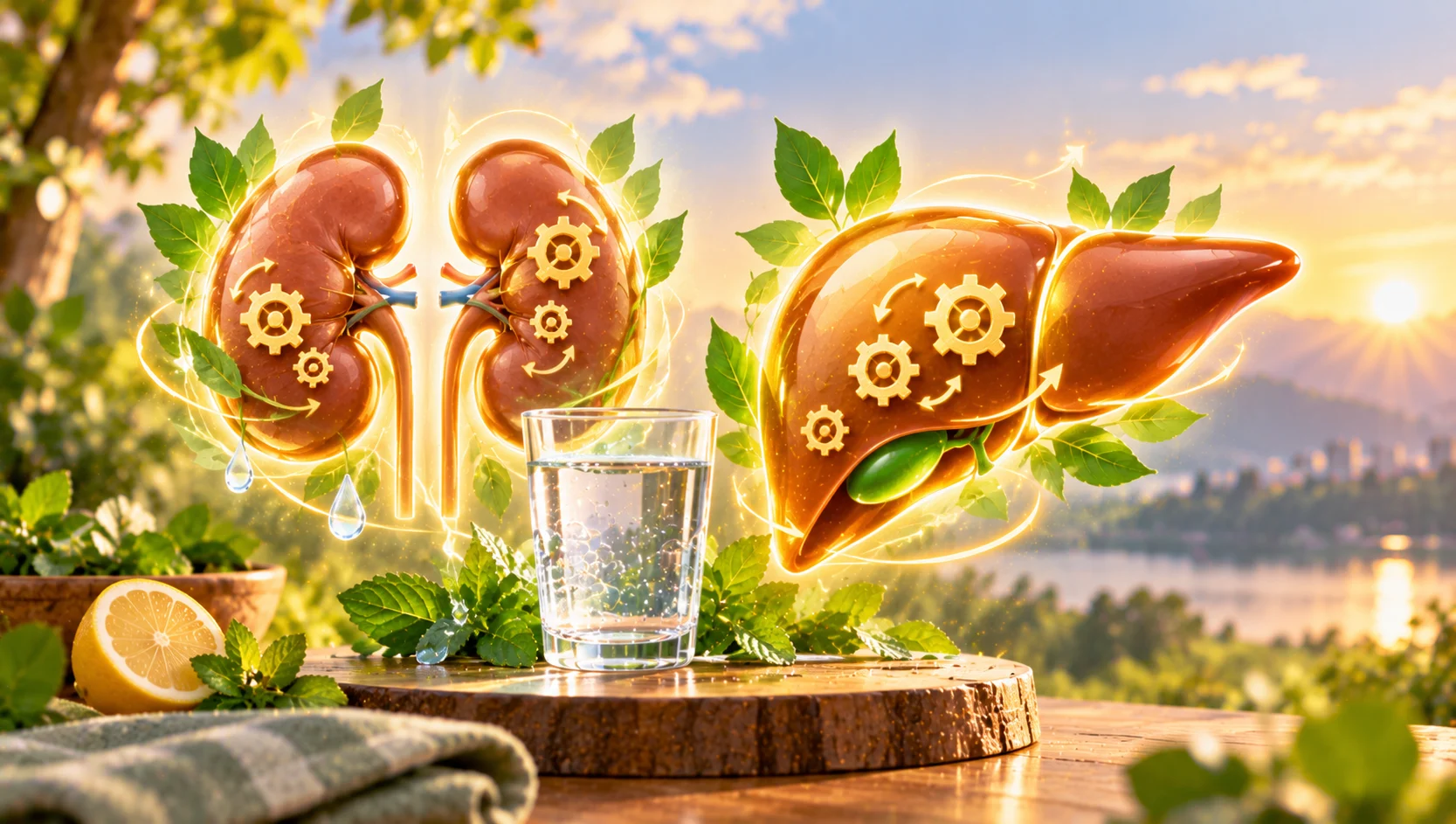
2. Enough water. Your kidneys excrete the water-soluble compounds the liver produces. Without adequate hydration — 2–2.5 litres of water daily — these compounds accumulate rather than being cleared. Many people who feel “toxic” or foggy are simply under-hydrated. This is one of the simplest and cheapest ways to support them.
3. Regular bowel movements. The gut is the exit route for bile — the mechanism by which the liver excretes fat-soluble toxins. If you are not having at least one complete bowel movement daily, bile (and its toxic cargo) recirculates instead of being eliminated. Fibre from dal, vegetables, and whole grains binds bile in the gut and carries it out. Constipation is not just a comfort issue — it genuinely impairs liver detox.
What about juice cleanses and detox supplements?
Most have no evidence behind them and some are actively harmful. Juice cleanses are typically high in fructose and low in protein — which is precisely the combination that burdens the liver rather than supporting it. Several popular “liver detox” supplements contain herbs (kava, comfrey, pennyroyal) that are hepatotoxic at the doses used.
The supplements that do have genuine evidence for liver support: milk thistle (silymarin) for protecting against liver damage, N-acetylcysteine (NAC) for glutathione support, and alpha-lipoic acid as an antioxidant. But these are for therapeutic use in people with existing liver burden — not a routine “cleanse” for healthy people.
When to get your liver checked
Fatty liver and early liver inflammation have no symptoms. By the time fatigue, upper right abdominal discomfort, or jaundice appear, damage is already significant. I recommend a liver function test (LFT) and an abdominal ultrasound for anyone over 30 who has central obesity, drinks regularly, takes multiple medications, or has a family history of liver disease — regardless of how they feel.
The practical summary: stop the things that genuinely burden the liver (fructose, excess alcohol, unnecessary medications, poor sleep). Eat the foods your kitchen already has. Drink enough water. Keep your bowels moving. No cleanse kit required.