What to Eat for Period Pain and PMS: Nutrients and a One-Day Diet Chart
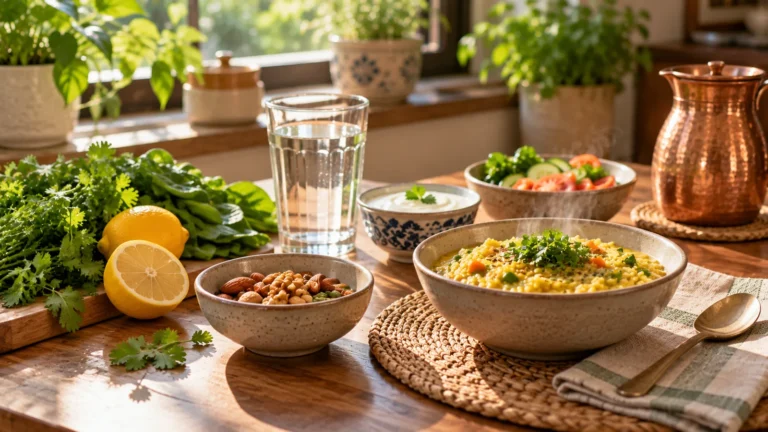
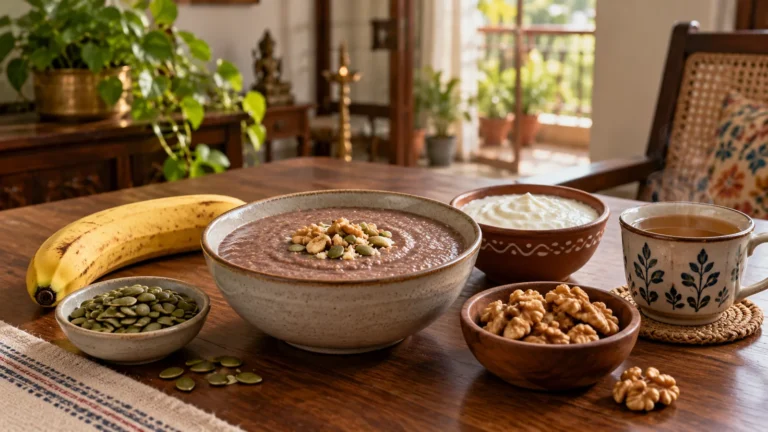
Nutrients and foods that ease period pain and PMS, what to avoid, a one-day meal plan and three golden rules.
Dr. Sarang Patil Holistic Healer
Content type
Practical, evidence-aware guides on health conditions and everyday habits, written for patients and families.
Nutrients and foods that ease period pain and PMS, what to avoid, a one-day meal plan and three golden rules.
Why period pain and PMS happen, first-line medical options, home relief, diet and gentle exercise.
Dr. Sarang Patil’s personal origin story: a childhood surrounded by yoga and healing, the question that redirected his education, and the vision that became Sampurna Swasthya.
Migraine follows a threshold model. How to find your triggers with a diary, the medication-overuse trap, what magnesium, riboflavin and CoQ10 offer, sleep and meal timing, and when preventive medication is worth considering.
PCOS is driven by insulin resistance as much as by hormones. How PCOD differs from PCOS, how a lower glycemic load diet, inositol, resistance training and stress care help, what metformin and pills do, and the long-term risks to watch.
Medication is one part of managing blood pressure. How salt and potassium, the DASH eating pattern, aerobic and isometric exercise, weight, sleep apnoea and stress each change the numbers, and when medication is needed.
Testing only TSH can miss why you still feel unwell on thyroid treatment. What to ask for instead, including Free T3, Free T4 and TPO antibodies, and the diet and lifestyle factors that support thyroid function.
Total cholesterol is not the number that predicts your heart risk. The Indian-specific pattern most doctors miss, what diet actually moves, and a clear answer on when statins are necessary versus when they are not.
Fatty liver is now one of India’s most common liver conditions, and most people with it have no symptoms. What causes it even in non-drinkers, what an ultrasound doesn’t tell you, and the dietary changes that can help reduce liver fat.
Type 2 diabetes is an insulin problem, not just a sugar problem. How a post-meal walk, the order you eat your food and swapping rice for dal can support healthier blood sugar, alongside the plan your doctor gives you.
A juice cleanse cannot do what your liver already does 24 hours a day. What puts extra load on your body’s own clearance systems, what your kitchen already has to support them, and three simple habits that help.
If you are doing everything right and still not losing weight, something may be working against you. Learn about the common reasons, such as insulin resistance, cortisol, thyroid and sleep, and a practical plan to work on them with your doctor.
Needs differ with body size, weather, activity and health. Drink when thirsty and aim for pale yellow urine. If you have heart or kidney disease and have been told to limit fluids, follow your doctor’s advice.
Your liver, kidneys, lungs and skin already clear waste every day. Regular meals with plenty of vegetables, enough water, good sleep and movement support them. There is no good evidence that detox diets or cleanses do more.
Try to finish dinner two to three hours before bed, at about the same time each day. Many people notice less night-time heaviness and heartburn.
Sit comfortably. Breathe in through your nose for a count of four, then out slowly for a count of six. Repeat for one minute.
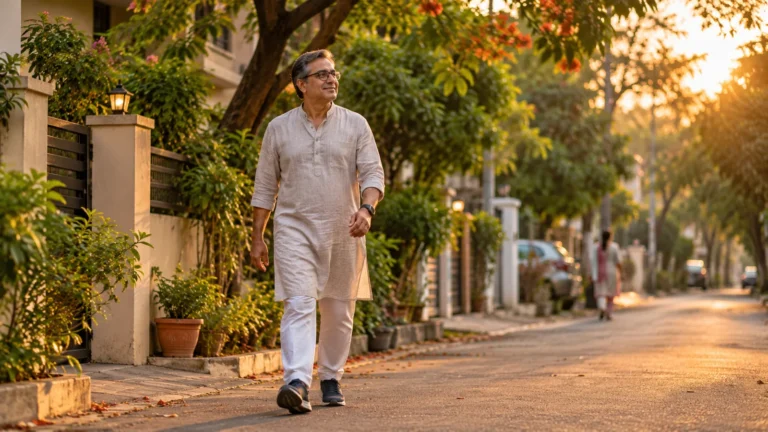
A gentle five to ten minute walk after eating is one of the easiest habits to start. Here is what research suggests, how to do it, and who should check with a doctor first.
Small, steady habits in the last two hours of the day can make it easier to fall asleep and stay asleep. Here is a simple routine you can start tonight.
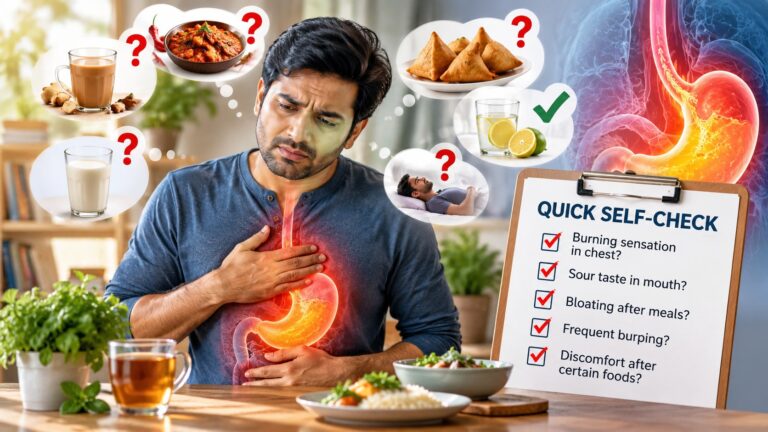
A quick-reference myth check and self-assessment checklist for recurrent acidity and heartburn, complementing the full explainer article.
How integrative medicine and holistic health bring the whole person into healthcare, while keeping evidence-based medical care central.

Send it on WhatsApp. Common questions are answered here for everyone. For personal medical advice, please book a consultation or see your own doctor.
One useful email at a time. No spam, and you can leave whenever you like.